

2026 Romance Scam Alert: How AI and Deepfakes Are Hijacking Valentine’s Day
On the latest episode of the Titans of Technology podcast, host John Gormally—Marketing Coordinator for Coeus Consulting—pulls back the curtain on the multi-billion dollar romance scam industry.
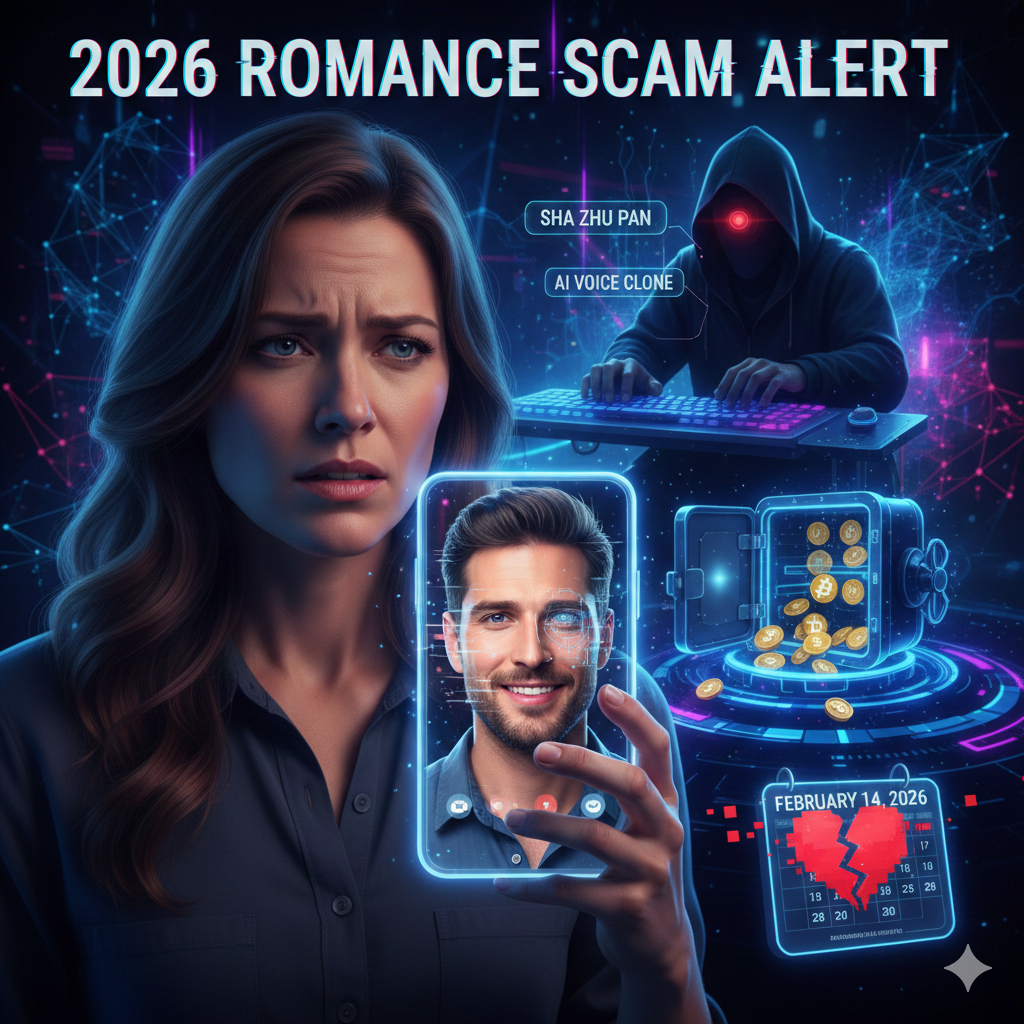
Why 2026 is the “Dark Age” of Digital Romance
On the latest episode of the Titans of Technology podcast, host John Gormally —Marketing Coordinator for Coeus Consulting —pulls back the curtain on the multi-billion dollar romance scam industry.
The days of spotting a scammer via broken English or grainy photos are over. In 2026, the “ Digital Romance Sham ” is powered by industrial-scale AI. Criminal syndicates now use Generative AI to maintain emotionally resonant, linguistically perfect conversations for months, building a level of trust that was previously impossible for bots.
Where Do Romantic Scammers Come From?
In 2026, the geography of heartbreak has shifted from lone individuals to industrial-scale romantic scam compounds. While romance fraud is a global crisis, specific regions have emerged as dominant hubs for these sophisticated operations.
- Southeast Asia’s “Scam Factories”: Nations like Cambodia, Myanmar, and Laos host fortified compounds where trafficked workers are forced to run “pig butchering” schemes using AI-powered translation and deepfakes.
- West African Networks: Nigeria and Ghana remain major centers, with “Yahoo Boys” evolving their tactics to include high-fidelity voice cloning and celebrity impersonation.
- Eastern European Hubs: Russia and Romania are notorious for high-tech crypto-romance fraud, targeting Western assets through complex DeFi laundering.
While these digital predators operate from specific corners of the globe, their tactics, including impersonation attacks, blackmail, and fake relationships, are designed to transcend borders and feel intensely personal. Understanding their origins is only the first step; the real danger lies in how they weaponize modern technology to blur the line between genuine connection and calculated theft. As we move into 2026, the methods used to exploit human emotion have reached a chilling level of precision.
2026: Romantic Scams Far from Romantic
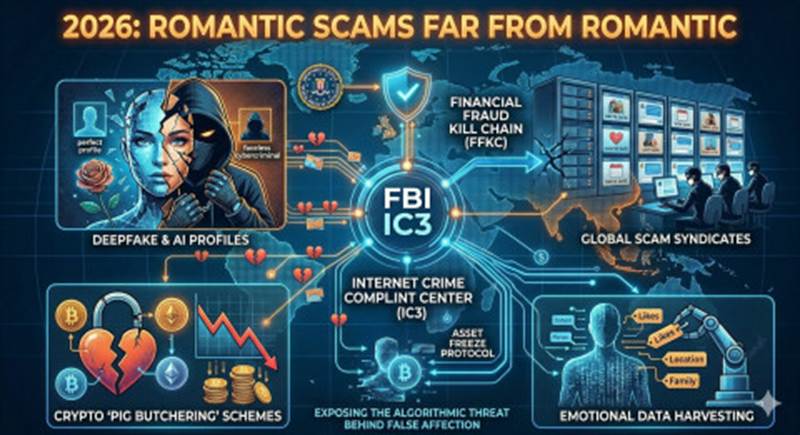
The year 2026 marks a chilling evolution in digital exploitation, where the term “online romance scams” is nothing more than a tactical mask for organized cybercrimes. Gone are the days of poorly written scripts and grainy photos; today’s AI-driven syndicates utilize hyper-realistic generative avatars and emotional data harvesting to engineer the perfect fake profiles, access personal details, and execute sweetheart scams.
These operations don’t just steal hearts—they execute precise financial strikes using automated social engineering and liquidated crypto assets. As the boundary between authentic intimacy and algorithmic manipulation dissolves, understanding the clinical, cold reality behind these “relationships” is the only way to protect your future.
Real-Time Deepfake Video Calls: The Lifeblood of Romance Scams
Scammers now use “AI Rooms” to facilitate live face-swapping during video calls. When you ask to see your partner’s face to “verify” they are real, they look exactly like their profile picture. John provides practical Deepfake detection tips , such as watching for unnatural blinking patterns or “glitches” when the person moves their hand across their face.
The Rise of AI Voice Cloning and Romance Scammers
With only three seconds of audio, a predator can clone a voice to sound exactly like a specific person or even a celebrity. These vishing (voice phishing) attacks add a layer of intimacy that makes the scam feel undeniably real.
“Pig Butchering” and Crypto Fraud
The phenomenon of Pig Butchering ( Sha Zhu Pan ) has evolved. Scammers no longer ask for small wire transfers. Instead, they “fatten up” the victim with emotional intimacy before steering them toward fraudulent cryptocurrency investment platforms . By the time the victim tries to withdraw their “profits,” their life savings are gone.
Social Engineering Relationships on Professional Networks
It’s not just Tinder or Bumble anymore. Scammers are increasingly active on LinkedIn , using professional personas to bypass your natural defenses.
Blackmail: Love: Money: and Impersonation
In 2026, romance scams rely heavily on impersonation, employing deepfake tech and voice cloning to manufacture intimacy. Once trust is established, scammers exploit victims, pivoting quickly from simulated love to ruthless financial blackmail and money extortion.
What is the Role of the Internet Crime Complaint Center?
As AI-driven romance scams reach record highs in 2026, the Internet Crime Complaint Center (IC3) serves as the central hub for reporting digital fraud. Run by the FBI, the IC3 is the primary repository for tracking confidence fraud patterns and identifying global scam syndicates.
When victims file a report at ic3.gov, analysts use the data to trigger the Financial Fraud Kill Chain (FFKC), a high-speed process designed to freeze domestic wire transfers before they vanish. In 2026, reporting is critical for mapping crypto-romance trends and deepfake tactics. While the IC3 doesn’t provide personal investigators, your complaint fuels federal task forces dismantling international “pig butchering” networks. Early reporting—ideally within 24 hours—is your best chance at asset recovery.
Cybersecurity for Dating: John Gormally’s 3 Golden Rules
During the podcast, John shares the Coeus Consulting framework for protecting your personal data and finances:
- Financial Requests are a Dead End: If an online romantic interest mentions crypto, gift cards, or urgent medical bills, the relationship is a scam. Period.
- Verify via Secondary Channels: If you suspect a deepfake, ask the caller to perform a specific action, such as turning their head 90 degrees or waving a hand in front of their eyes, to break the AI rendering.
- Audit Your Digital Footprint: Scammers scrape social media to tailor their manipulation. Keep your profiles private and be wary of anyone who seems “too perfect” for your specific interests.
Don’t let a digital predator exploit your heart this Valentine’s Day.
About the Author
John Gormally is the marketing coordinator for Coeus Consulting. John brings 28 years of experience in marketing, sales, and engineering across several technology domains, including cybersecurity, cloud, managed services, and digital marketing.
About Coeus Consulting
Coeus Consulting, an A+ rated firm by the Better Business Bureau, is the top managed IT service provider and consulting firm offering managed IT, cybersecurity, compliance advisory services, and cloud solutions. We proudly serve small-to-medium businesses (SMBs) in Phoenix and across the Southwest, powered by our Codex framework.m business community across the Southwest powered by our Codex framework.